What Bit Me? How to Identify Common Bug Bites and Stings (With Symptoms & Pictures)
A bite or sting on the skin is a frequent cause of redness, swelling, pain, or itching. Most insect bites and stings are mild, but some bites—including human bites—can lead to infection or serious complications.
Understanding the common causes of bites and stings and knowing when to worry about a bite or sting can help you seek appropriate medical care.
1. Mosquito Bites
A mosquito bite occurs when a mosquito injects saliva into the skin, causing an immune reaction. This typically results in an itchy, raised bump that may last several days. In some regions, mosquito bites can transmit infections.
When not to worry
A mosquito bite is usually harmless if itching and swelling are mild and improve within a few days.
When to see a doctor
See a doctor if a mosquito bite becomes infected, causes fever, rash, joint pain, or increasing swelling.
2. Bee and Wasp Stings
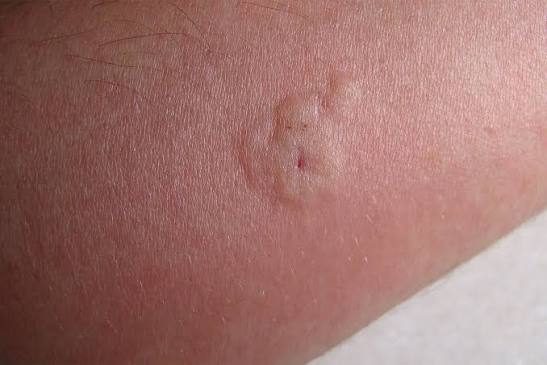
A bee or wasp sting causes sudden pain due to venom injection. Redness and swelling are common, but some individuals may develop a severe allergic reaction to an insect sting.
When not to worry
Localized pain and swelling that settle within a few days are common after a sting.
When to see a doctor
Seek urgent care if a sting causes breathing difficulty, facial swelling, dizziness, or widespread hives.
3. Spider Bites
:max_bytes(150000):strip_icc()/IMG-0941-56a2f51d5f9b58b7d0cfde37-5903680c3df78c5456088098.jpeg)
Most spider bites cause minor skin reactions, but some may lead to significant pain, blistering, or tissue damage. A spider bite may appear red, swollen, and tender.
When not to worry
A mild spider bite that improves within a few days usually does not require medical care.
When to see a doctor
Medical attention is needed if a spider bite becomes increasingly painful, forms an ulcer, or causes fever or muscle cramps.
4. Tick Bites
:max_bytes(150000):strip_icc()/GettyImages-597213730-2000-954ccb37818c4fe9a8b8e6ad503d42b7.jpg)
A tick bite may go unnoticed at first but can transmit infections such as Lyme disease. Symptoms may develop days or weeks after exposure.
When not to worry
A tick bite may not be concerning if the tick is removed early and no symptoms appear.
When to see a doctor
See a doctor if you develop a rash after a tick bite, fever, fatigue, or joint pain.
5. Flea or Bed Bug Bites

Flea bites and bed bug bites often appear as clusters of itchy red spots on exposed skin. Scratching increases the risk of infection.
When not to worry
Mild itching that improves with treatment is usually not serious.
When to see a doctor
See a doctor if bite sites become infected, extremely itchy, or if the rash continues to spread.
Bonus Bite – Human Bites
:max_bytes(150000):strip_icc()/GettyImages-71552022-371f9c597cc348ca80f68ff7f5a7f600.jpg)
Infected human bite
A human bite occurs when the skin is broken by another person’s teeth. Although they may look minor at first, human bites carry a high risk of infection due to bacteria in the mouth. Human bites commonly occur during fights, sports injuries, or accidents.
A human bite wound may be painful, swollen, red, or oozing fluid.
When not to worry
Superficial human bites that do not break the skin and show no signs of redness or swelling may not require urgent care.
When to see a doctor
You should see a doctor urgently for a human bite that breaks the skin, shows signs of infection, involves the hands or face, or if there is increasing pain, redness, or pus.
When to Worry About a Bite or Sting (Red Flags)
Seek immediate medical attention if a bite or sting is associated with:
- Difficulty breathing or swallowing
- Swelling of the face, lips, or tongue
- Fever or severe pain
- Rapidly spreading redness or pus
- Signs of infection or allergic reaction
Key Takeaway
Most bites and stings are mild, but some—including human bites and certain insect stings—can lead to serious complications. Knowing the causes of bites and stings and understanding when to see a doctor can help prevent infection and ensure safe recovery.
If a bite or sting worsens or causes systemic symptoms, seek medical advice promptly.


